 Exploring the Ancient Wisdom of Tibetan Medicine
Tibetan medicine, known as Sowa Rigpa (“the science of healing”), is one of the world’s oldest and most comprehensive traditional medical systems. Rooted in over 2,500 years of practice, it blends indigenous Tibetan knowledge with influences from Indian Ayurveda, Chinese medicine, Persian healing arts, and Greco-Arabic traditions.
 Philosophy & Principles
At its core, Tibetan medicine views health as a dynamic balance between body, mind, spirit, and environment. It’s deeply intertwined with Buddhist philosophy, emphasizing that illness arises from imbalances in the three “nyépa” or humors:
- Rlung (Wind) – governs movement and the nervous system
- Tripa (Bile) – controls metabolism and heat
- Beken (Phlegm) – manages stability and fluid balance
These humors are influenced by the “three poisons” of the mind: desire, anger, and ignorance, linking emotional wellbeing directly to physical health.
 Diagnosis & Treatment
Tibetan physicians use a combination of:
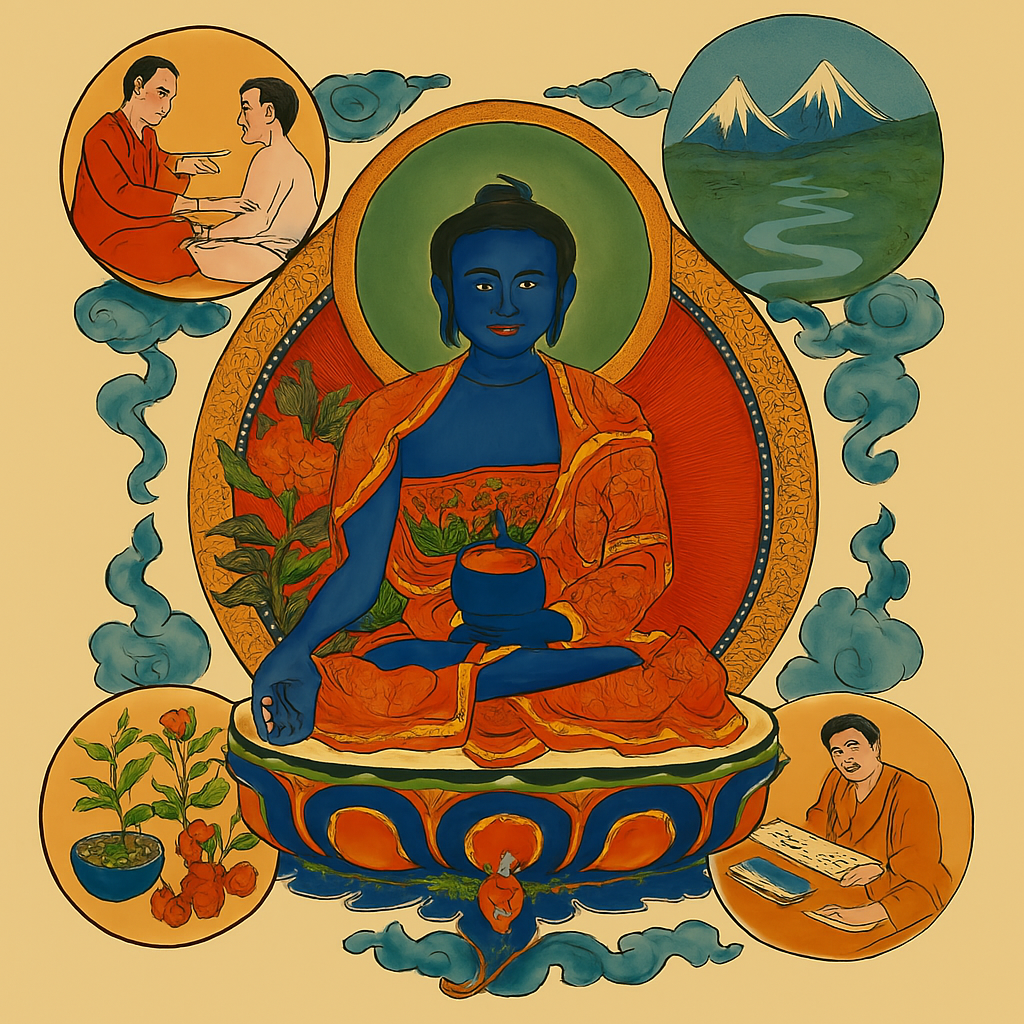
- Pulse reading
- Urine analysis
- Observation of the tongue, eyes, and skin
- Detailed patient interviews
Treatments include:
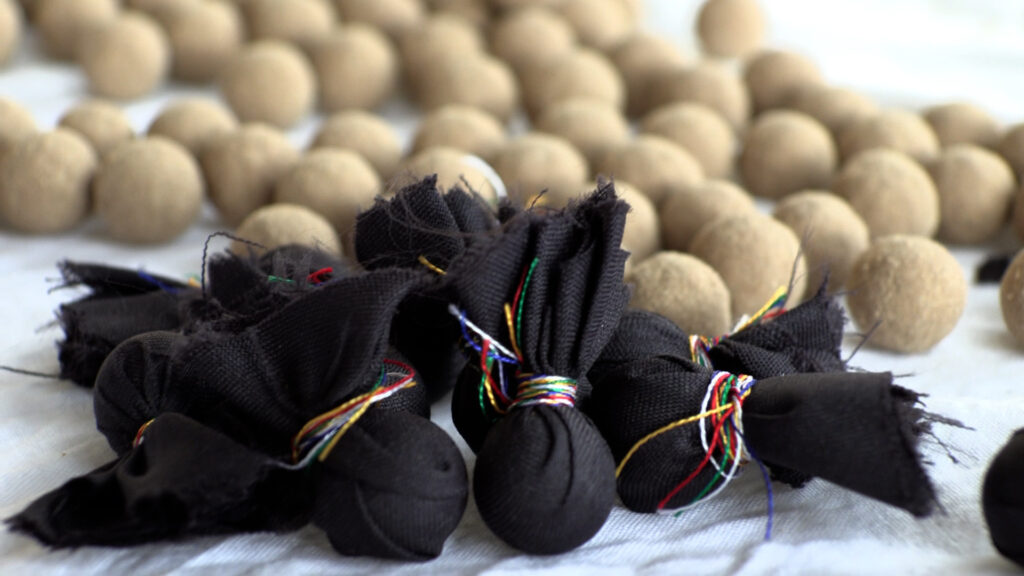
- Herbal remedies made from over 2,000 plant species, minerals, and animal products
- Dietary and lifestyle guidance
- Meditation and spiritual practices
- External therapies like moxibustion, massage, and medicinal baths
 Historical Roots
The foundational text of Tibetan medicine is the Four Medical Tantras (Gyüzhi), compiled between the 8th and 12th centuries. These texts outline everything from anatomy and pathology to pharmacology and ethics. Tibetan medicine flourished under royal patronage and spread across the Himalayas, Mongolia, and parts of Russia.
 Modern Relevance
Today, Tibetan medicine is practiced globally, especially in Himalayan regions and Tibetan communities in India. Institutions like Men-Tsee-Khang in Dharamshala continue to preserve and teach this tradition. It’s particularly valued for treating chronic conditions, autoimmune disorders, and digestive issues, often complementing modern medicine.