🧘♂️ What Is a Tibetan Doctor?
A Tibetan doctor, also known as an Amchi (འབའ་ཆ་) or Sowa-Rigpa practitioner, is a highly trained healer in Sowa-Rigpa, the traditional Tibetan system of medicine. Meaning “the science of healing,” Sowa-Rigpa is one of the world’s oldest and most comprehensive medical traditions, with origins dating back thousands of years.
🌿 Core Principles of Sowa-Rigpa
- Holistic Healing: Tibetan medicine views health as a dynamic balance of body, mind, spirit, and the individual’s relationship with their environment. Treatment targets root causes—not just surface symptoms.
- Three Humors (Nyespa): These bioenergies form the basis of diagnosis and treatment:
- Lung (རླུང་ – wind): Governs movement, circulation, respiration, and nervous function
- Tripa (མཁྲིས་པ་ – bile/fire): Controls digestion, metabolism, and cognitive sharpness
- Beken (བད་ཀན་ – phlegm/earth & water): Represents stability, lubrication, and structure
- Five Elements: Each humor correlates with the five universal elements—earth, water, fire, wind, and space—considered the building blocks of both nature and the human body.
- Karma & Ethics: Deeply rooted in Buddhist philosophy, Sowa-Rigpa emphasizes the spiritual dimensions of health, linking karma, ethical behavior, and emotional balance with physical well-being.
🔬 Diagnostic Techniques
Tibetan doctors use a rich blend of observation, intuition, and scientific reasoning:
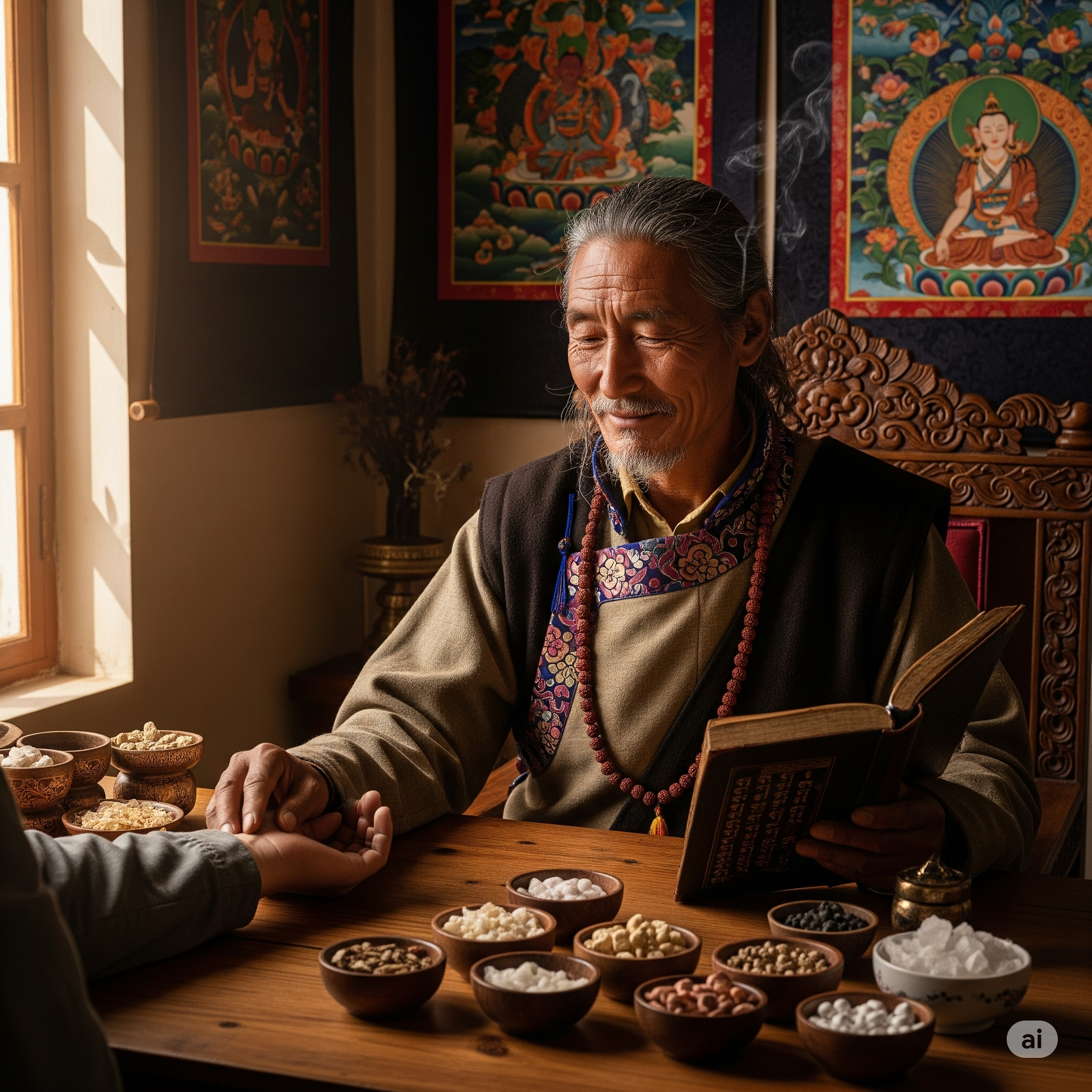
- Pulse Diagnosis: A sophisticated method involving multi-depth pulse reading to assess the humors and organ health
- Urine Analysis: Evaluation of color, odor, sediment, and bubble patterns for clues to internal imbalance
- Tongue Diagnosis: Observing coating, color, and texture to uncover disharmony
- Visual Observation: Examining skin tone, posture, and facial expressions
- Detailed Interrogation: In-depth dialogue about symptoms, lifestyle, dreams, and emotions
🧪 Treatment Modalities
Healing in Sowa-Rigpa is multidimensional and personalized:
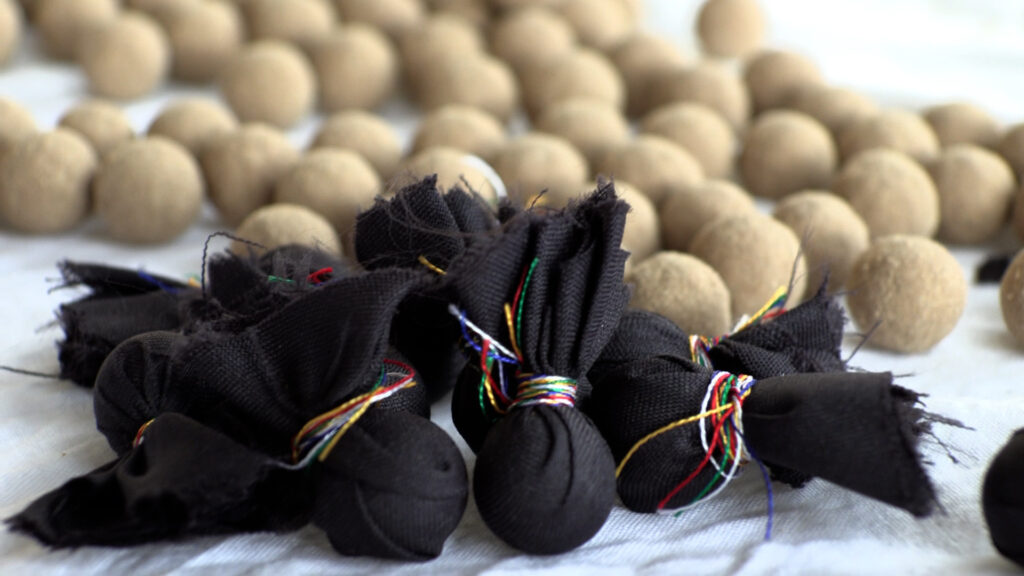
- Herbal Medicine: The cornerstone of therapy, combining plants, minerals, and sometimes animal products into pills, powders, or decoctions
- Diet & Lifestyle Guidance: Seasonal and dosha-specific recommendations to restore equilibrium
- External Therapies:
- Ku Nye (Tibetan massage) with herbal oils
- Moxibustion: Applying warmth to key points
- Compresses/Poultices: Topical herbal treatments
- Golden Needle Therapy: Fine-needle treatments akin to acupuncture
- Bloodletting: Used judiciously in particular cases
- Spiritual/Behavioral Healing: Meditation, mantra recitation, and counseling are integral for mental wellness and karmic purification
📚 Path to Becoming a Tibetan Doctor
Training is traditionally intense and lifelong. It may begin under the guidance of a master healer in monastic settings and continue through years of clinical experience. Today, recognized medical schools and institutes offer structured programs in Sowa-Rigpa, combining ancient wisdom with modern pedagogy.
A Tibetan doctor is more than a physician—they are a spiritual guide and compassionate healer who seeks to align the patient’s physical health with inner harmony and universal balance.