 Sowa Rigpa: The Tibetan Science of Healing
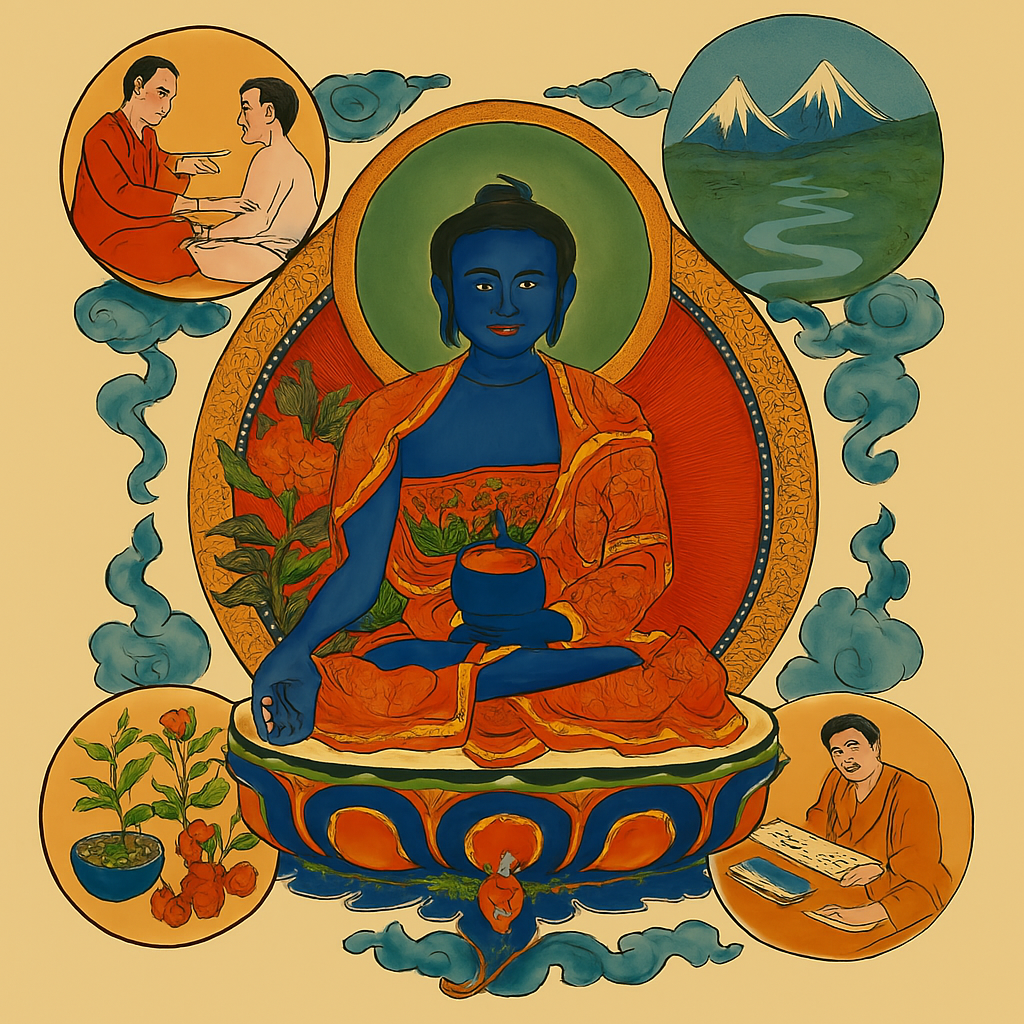
Sowa Rigpa (སོ་བ་རིག་པ་), meaning “knowledge of healing” in the Tibetan language, is the formal name for Traditional Tibetan Medicine. It’s a holistic medical system that has evolved over centuries, integrating elements from Indian Ayurveda, Chinese medicine, Greco-Arabic traditions, and indigenous Tibetan practices.
 Core Philosophy
Sowa Rigpa is based on the belief that health arises from the balance of:
- Three humors (nyépa):
- rlung (wind) – governs movement and mental activity
- tripa (bile) – controls metabolism and heat
- beken (phlegm) – maintains stability and fluid balance
- These humors are influenced by the five elements: earth, water, fire, wind, and space
- Illness is seen as a result of imbalance caused by emotional disturbances like desire, anger, and ignorance
 Historical Roots
- Originated in the 8th century under Tibetan King Trisong Detsen
- The foundational text is the Gyüzhi (Four Medical Tantras), compiled and refined by Yuthok Yonten Gonpo in the 12th century
- Developed through international collaboration at the Samye Monastery, where scholars from India, China, Persia, and Greece contributed
 Diagnostic & Therapeutic Methods
Sowa Rigpa uses:
- Pulse and urine analysis
- Visual observation of tongue, eyes, and skin
- Patient interviews to assess emotional and physical states
Treatments include:
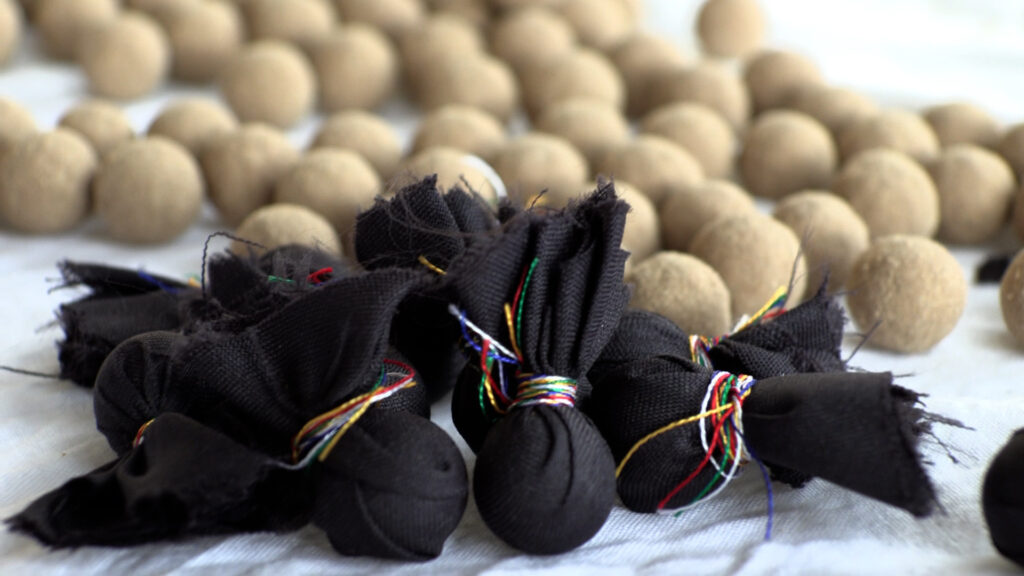
- Herbal medicines made from plants, minerals, and animal products
- Dietary and lifestyle guidance
- Meditation and spiritual practices
- External therapies like moxibustion, massage, and medicinal baths
 Global Recognition
- Practiced widely in India, especially in Ladakh, Himachal Pradesh, Sikkim, and Arunachal Pradesh
- Recognized by the Ministry of Ayush, Government of India as a formal medical system
- Taught and preserved by institutions like Men-Tsee-Khang in Dharamshala and the Sowa Rigpa Institute
Sowa Rigpa isn’t just medicine—it’s a way of life rooted in compassion, balance, and deep respect for nature.